Unlocking the Power of Cayenne Pepper: Incredible Benefits for Liver Health
Discover the incredible benefits of cayenne pepper for liver health, including detoxification, fat metabolism, and enhanced insulin sensitivity.
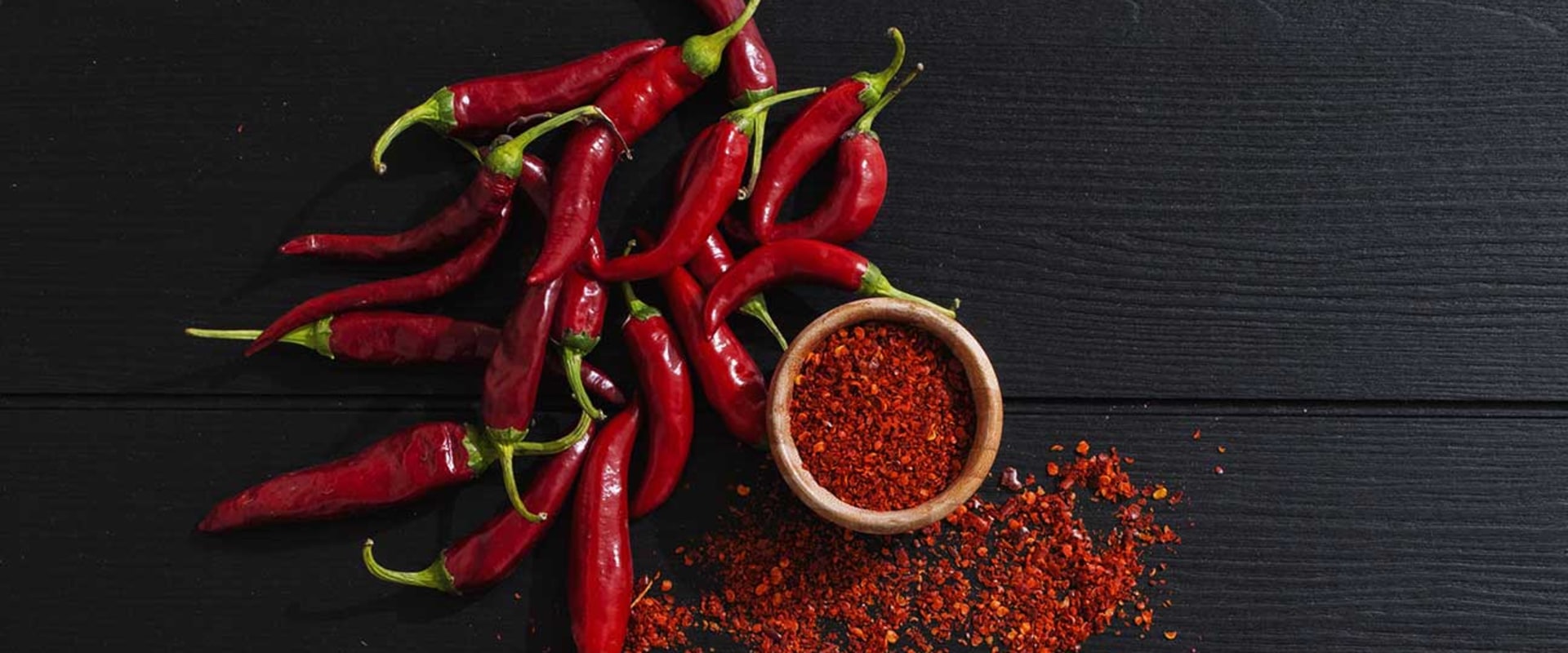
Cayenne pepper, a vibrant and fiery spice, has long been celebrated not just for its culinary uses but also for its remarkable health benefits. Among these, its positive impact on liver health stands out, making it a valuable addition to any diet focused on wellness and detoxification. The active compound in cayenne pepper, known as capsaicin , is primarily responsible for its health-promoting properties. This potent ingredient not only adds heat to your meals but also plays a crucial role in enhancing liver function and overall metabolic processes.
Additionally, if you're wondering who treats erectile dysfunction, it's important to consult healthcare professionals who specialize in sexual health for guidance and treatment options. The liver is one of the body's most vital organs, responsible for filtering toxins, producing bile, and regulating various metabolic functions. When the liver is functioning optimally, it effectively removes harmful substances from the bloodstream, contributing to overall health. However, factors such as poor diet, environmental toxins, and lifestyle choices can compromise liver function. This is where cayenne pepper comes into play. Additionally, if you're wondering who treats erectile dysfunction, it's important to consult healthcare professionals who specialize in sexual health for guidance and treatment options. The liver is one of the body's most vital organs, responsible for filtering toxins, producing bile, and regulating various metabolic functions. When the liver is functioning optimally, it effectively removes harmful substances from the bloodstream, contributing to overall health. However, factors such as poor diet, environmental toxins, and lifestyle choices can compromise liver function. This is where cayenne pepper comes into play.
By incorporating this spice into your daily routine, you can support your liver's natural detoxification processes and promote better health. Research has shown that cayenne pepper can stimulate digestion and enhance bile production, which are essential for breaking down fats and eliminating toxins from the body. Furthermore, the capsaicin in cayenne pepper has been linked to increased insulin sensitivity, which is particularly beneficial for those struggling with insulin resistance—a condition that can lead to fatty liver disease and other metabolic disorders. As we delve deeper into the myriad cayenne pepper benefits , it becomes clear that this spice is not just a flavor enhancer but a powerful ally in maintaining liver health and promoting overall well-being.
What is Cayenne Pepper?
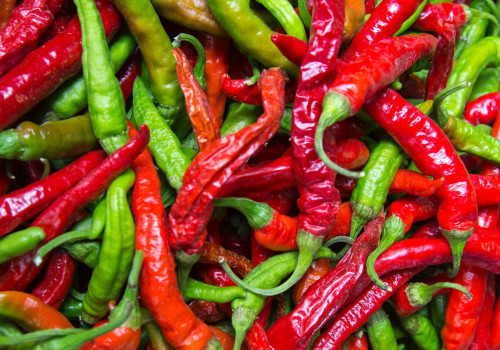
Cayenne pepper, scientifically known as Capsicum annuum, is a vibrant red spice that has been cherished for centuries, not only for its culinary uses but also for its remarkable health benefits. Originating from Central and South America, this fiery pepper has made its way across the globe, becoming a staple in various cuisines, particularly in Mexican and Indian dishes.Its distinct heat comes from the active compound capsaicin , which is responsible for the pepper's pungent flavor and numerous health-promoting properties. The nutritional profile of cayenne pepper is impressive, making it a valuable addition to any diet. A typical serving of cayenne pepper (about one teaspoon) contains:
- Calories: Approximately 6
- Carbohydrates: 1.4 grams
- Protein: 0.2 grams
- Fat: 0.2 grams
- Fiber: 0.6 grams
- Vitamins: High in vitamin A and C, providing essential antioxidants
- Minerals: Contains potassium, manganese, and iron
Research has shown that capsaicin can enhance metabolism by increasing thermogenesis—the process by which the body generates heat and burns calories. This makes cayenne pepper a popular ingredient in weight loss supplements and detox regimens. In summary, understanding what cayenne pepper is and its nutritional properties lays the groundwork for appreciating its extensive health benefits. From its origins to its active compounds, cayenne pepper is more than just a spice; it is a powerful ally for those seeking to improve their overall well-being.
The Role of Capsaicin in Liver Health
Cayenne pepper, renowned for its fiery flavor, owes much of its health benefits to a compound called capsaicin. This active ingredient not only adds heat to your meals but also plays a significant role in promoting liver health.Understanding how capsaicin works can illuminate its potential benefits for detoxification and overall liver function. One of the primary ways capsaicin contributes to liver health is by stimulating the production of bile. Bile is essential for digestion, as it helps break down fats and absorb fat-soluble vitamins. An increase in bile production can enhance the liver's ability to process and eliminate toxins from the body. This detoxification process is crucial, as it helps maintain a healthy liver and prevents the accumulation of harmful substances. Moreover, capsaicin has been shown to improve digestion by increasing gastric secretions.
This means that when you consume cayenne pepper, it can help your body digest food more efficiently, reducing the burden on the liver. A well-functioning digestive system is vital for liver health, as it ensures that nutrients are absorbed properly and toxins are expelled effectively. Another remarkable benefit of capsaicin is its ability to enhance metabolic processes. By boosting metabolism, capsaicin can aid in weight management, which is particularly important for liver health. Excess body weight is often linked to fatty liver disease, a condition that can lead to serious complications if left unchecked.
By incorporating capsaicin into your diet, you may help mitigate this risk. Additionally, research suggests that capsaicin may promote autophagy , a natural process where cells remove damaged components and regenerate themselves. This cellular renewal is vital for maintaining optimal liver function and preventing diseases associated with aging and toxicity. In summary, the benefits of capsaicin extend far beyond its culinary uses. By stimulating bile production, enhancing digestion, boosting metabolism, and promoting autophagy, capsaicin emerges as a powerful ally in supporting liver health. Incorporating cayenne pepper into your meals can be a simple yet effective way to harness these benefits and contribute to your overall well-being.
Detoxification and Liver Function
The liver plays a crucial role in the body's detoxification process, acting as a filter that removes harmful substances from the bloodstream.This vital organ is responsible for metabolizing nutrients, producing bile, and breaking down toxins, making it essential for maintaining overall health. When the liver is functioning optimally, it can efficiently eliminate waste products and toxins, which is why supporting its health through detoxification is so important.
Cayenne pepper
is a remarkable ally in promoting liver detoxification. Its active compound, capsaicin, not only adds heat to your meals but also stimulates various physiological processes that enhance liver function. One of the primary ways cayenne pepper aids in detoxification is by increasing blood circulation.
Improved circulation ensures that oxygen and nutrients are delivered more effectively to the liver, enabling it to perform its detoxifying duties more efficiently. Moreover, cayenne pepper encourages the production of bile, a digestive fluid that helps break down fats and eliminate waste. Bile production is essential for the liver's ability to process and excrete toxins. By enhancing bile flow, cayenne pepper supports the liver's natural detoxification pathways. In addition to its stimulating effects on bile production, cayenne pepper has been shown to promote autophagy , a cellular process that helps remove damaged cells and regenerate new ones. This process is particularly beneficial for the liver, as it can help clear out fat deposits and other harmful substances that may accumulate over time. To incorporate cayenne pepper into your diet for liver detox benefits, consider adding it to smoothies, soups, or even homemade dressings.
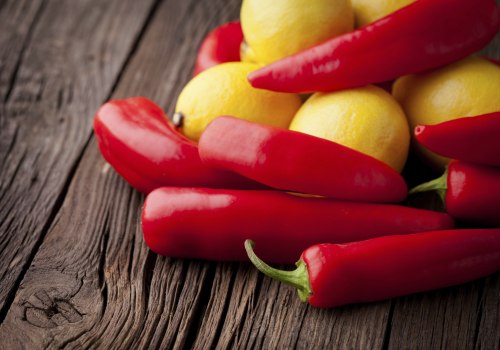
A simple detox drink can be made by mixing cayenne pepper with lemon juice and warm water, which not only aids in detoxification but also boosts metabolism. In conclusion, supporting your liver through detoxification is vital for overall health. By including cayenne pepper in your diet, you can harness its powerful properties to enhance liver function and promote effective detoxification. This not only helps in eliminating toxins but also contributes to improved energy levels and overall well-being.
Cayenne Pepper's Impact on Fat Metabolism
Cayenne pepper, renowned for its fiery flavor, is not just a culinary delight; it also plays a significant role in fat metabolism and can contribute to weight loss, particularly by targeting fat accumulation in the liver. The active compound in cayenne pepper, capsaicin, has been extensively studied for its metabolic benefits, making it a valuable addition to any health-conscious diet. One of the primary ways cayenne pepper aids in fat metabolism is through its ability to enhance thermogenesis.This process involves the generation of heat in the body, which can lead to increased calorie burning. Research indicates that capsaicin can elevate metabolic rates, allowing the body to utilize stored fat more efficiently. This is particularly beneficial for individuals looking to reduce liver fat, as excess fat accumulation in the liver can lead to serious health issues such as fatty liver disease. Moreover, cayenne pepper has been shown to influence the way our bodies process fats. A study published in the journal Obesity found that participants who consumed capsaicin experienced a significant reduction in body fat compared to those who did not.
This suggests that incorporating cayenne pepper into meals may help facilitate weight loss by promoting a healthier balance of fat storage and utilization. In addition to its direct effects on fat metabolism, cayenne pepper also supports liver health by improving blood circulation. Enhanced circulation ensures that nutrients and oxygen are efficiently delivered to liver cells, promoting their function and aiding in the breakdown of fats. A well-functioning liver is crucial for maintaining overall metabolic health and preventing the buildup of fat. To maximize the weight loss benefits of cayenne pepper, consider adding it to your daily meals or beverages. Whether sprinkled on salads, blended into smoothies, or incorporated into soups and stews, this spice can easily be integrated into various dishes.
Additionally, combining cayenne with other metabolism-boosting ingredients like lemon or ginger can further enhance its effects. In conclusion, cayenne pepper is a powerful ally in promoting liver fat reduction and enhancing overall fat metabolism. By incorporating this spice into your diet, you not only add flavor but also support your body's natural processes for burning fat and maintaining a healthy liver.
Enhancing Insulin Sensitivity with Cayenne Pepper
Cayenne pepper, renowned for its fiery flavor, offers more than just a culinary kick; it plays a significant role in enhancing insulin sensitivity, which is crucial for maintaining healthy blood sugar levels. This is particularly important for individuals managing diabetes or those at risk of developing metabolic syndrome. Insulin sensitivity refers to how effectively the body responds to insulin, a hormone that regulates blood sugar. When insulin sensitivity is low, the body struggles to utilize glucose efficiently, leading to elevated blood sugar levels.This condition can pave the way for serious health issues, including type 2 diabetes and liver dysfunction. Research indicates that cayenne pepper can positively influence insulin sensitivity through its active compound, capsaicin. Capsaicin not only adds heat to your meals but also has been shown to enhance metabolic processes. By stimulating the release of insulin and improving the body's response to this hormone, cayenne pepper can help in regulating blood sugar levels more effectively. Moreover, incorporating cayenne pepper into your diet may assist in weight management, another critical factor in controlling blood sugar. Excess body weight is often linked to insulin resistance; thus, by promoting weight loss and fat metabolism, cayenne pepper indirectly supports better insulin function. For those looking to harness the benefits of cayenne pepper for blood sugar control, consider adding it to meals or beverages.
A simple way to do this is by mixing cayenne with lemon juice and warm water for a refreshing drink that can kickstart your metabolism and support liver health. In summary, the incorporation of cayenne pepper into your daily routine can be a powerful ally in enhancing insulin sensitivity and managing blood sugar levels. Its unique properties not only contribute to better metabolic health but also support overall liver function, making it an excellent addition for anyone concerned about diabetes or metabolic syndrome.
Cayenne Pepper as an Antioxidant Powerhouse
Cayenne pepper is not just a spice that adds heat to your meals; it is also a remarkable source of antioxidants that play a crucial role in maintaining liver health. Antioxidants are compounds that help neutralize free radicals—unstable molecules that can cause oxidative stress and damage cells, including those in the liver. This oxidative stress is linked to various liver diseases, making the antioxidant properties of cayenne pepper particularly significant. One of the primary antioxidants found in cayenne pepper is capsaicin , the compound responsible for its spicy flavor.Capsaicin has been shown to have potent antioxidant effects, which can help protect liver cells from damage caused by free radicals. By reducing oxidative stress, capsaicin contributes to the overall health and functionality of the liver. In addition to capsaicin, cayenne pepper contains other beneficial antioxidants such as vitamin C and various flavonoids. These compounds work synergistically to enhance the body’s defense against oxidative damage. Vitamin C, in particular, is known for its ability to regenerate other antioxidants in the body, further amplifying their protective effects. The benefits of antioxidants extend beyond just protecting liver cells.
They also play a role in reducing inflammation, which is often a precursor to liver disease. Chronic inflammation can lead to conditions such as fatty liver disease and cirrhosis. By incorporating cayenne pepper into your diet, you may help mitigate these risks through its anti-inflammatory properties. Moreover, studies suggest that a diet rich in antioxidants can improve liver function and promote detoxification processes. This is essential for individuals looking to support their liver health, especially those exposed to environmental toxins or those with unhealthy lifestyle habits. To maximize the antioxidant benefits of cayenne pepper, consider adding it to various dishes or beverages.
Whether sprinkled on salads, blended into smoothies, or incorporated into soups and stews, cayenne pepper can easily be integrated into your daily meals while providing significant health benefits. In conclusion, the antioxidant properties of cayenne pepper make it a valuable addition to any diet aimed at supporting liver health. By combating oxidative stress and inflammation, cayenne pepper not only enhances liver function but also contributes to overall well-being.
Incorporating Cayenne Pepper into Your Diet
Incorporating cayenne pepper into your daily meals can be both enjoyable and beneficial for your liver health. Here are some practical tips and delicious recipes to help you seamlessly add this spicy ingredient to your diet.How to Use Cayenne Pepper
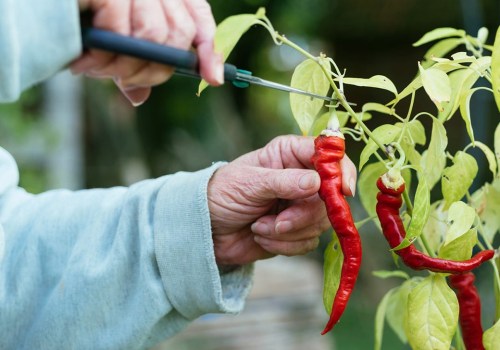
Cayenne pepper can be used in various forms, including fresh, dried, or as a powder. Here are some simple ways to incorporate it:-
Spice Up Your Dishes: Add a pinch of cayenne pepper to soups, stews, or sauces for an extra kick.
It pairs well with tomato-based dishes and can enhance the flavor of vegetable stir-fries.
- Season Your Proteins: Use cayenne pepper as a seasoning for meats, fish, or tofu. A marinade made with olive oil, lemon juice, garlic, and cayenne can elevate the taste of grilled or baked proteins.
- Mix into Smoothies: For a health boost, add a small amount of cayenne pepper to your morning smoothie. It complements fruits like mango and pineapple while providing a metabolism boost.
- Homemade Salad Dressings: Create a zesty salad dressing by mixing olive oil, vinegar, honey, and cayenne pepper. This not only adds flavor but also enhances the nutritional profile of your salads.
Cayenne Recipes
Here are a couple of easy recipes that highlight the benefits of cayenne pepper:-
Cayenne-Infused Lemonade:
- Ingredients: 1 cup fresh lemon juice, 4 cups water, 1-2 teaspoons cayenne pepper (to taste), honey or agave syrup (optional).
- Instructions: Mix all ingredients in a pitcher.
Adjust sweetness and spiciness according to your preference. Serve chilled.
-
Spicy Roasted Vegetables:
- Ingredients: 2 cups mixed vegetables (like bell peppers, zucchini, and carrots), 2 tablespoons olive oil, 1 teaspoon cayenne pepper, salt and pepper to taste.
- Instructions: Preheat the oven to 400°F (200°C). Toss vegetables with olive oil, cayenne pepper, salt, and pepper. Spread on a baking sheet and roast for 20-25 minutes until tender.
Dietary Tips for Liver Health
When focusing on liver health, consider these dietary tips alongside incorporating cayenne pepper:
- Stay Hydrated: Drink plenty of water throughout the day to support liver function.
- Eat Whole Foods: Prioritize fruits, vegetables, whole grains, and lean proteins while minimizing processed foods.
- Avoid Excess Sugar: Limit sugary snacks and beverages that can burden the liver.
Potential Side Effects and Considerations
While cayenne pepper is celebrated for its numerous health benefits, it is essential to be aware of potential side effects and considerations before incorporating it into your diet.Understanding these aspects can help you enjoy the advantages of cayenne pepper while minimizing any risks.
Potential Side Effects
- Gastrointestinal Issues: One of the most common side effects of cayenne pepper is gastrointestinal discomfort. This can manifest as heartburn, stomach cramps, or diarrhea, particularly in individuals who are not accustomed to spicy foods. If you experience these symptoms, it may be wise to reduce your intake or consult a healthcare professional.
-
Allergic Reactions: Some individuals may have an allergy to cayenne pepper or other chili peppers. Symptoms can include itching, swelling, or difficulty breathing.
If you suspect an allergy, discontinue use immediately and seek medical advice.
- Skin Irritation: When handling cayenne pepper, especially in powdered form, it can cause skin irritation or a burning sensation if it comes into contact with sensitive areas. Always wash your hands thoroughly after handling cayenne pepper and avoid touching your face.
- Interactions with Medications: Cayenne pepper may interact with certain medications, particularly blood thinners and medications for high blood pressure. If you are on medication, consult your doctor before adding cayenne pepper to your diet.
Who Should Avoid Cayenne Pepper?
Certain individuals should exercise caution or avoid cayenne pepper altogether:
- Pregnant and Nursing Women: Pregnant women should limit their intake of spicy foods, including cayenne pepper, as it may lead to digestive issues or heartburn. Nursing mothers should also be cautious, as spicy foods can affect breast milk and potentially upset the baby's stomach.
- Individuals with Gastrointestinal Disorders: Those suffering from conditions such as irritable bowel syndrome (IBS), ulcers, or acid reflux should avoid cayenne pepper due to its potential to exacerbate symptoms.
- People with Allergies: As mentioned earlier, individuals with known allergies to chili peppers should steer clear of cayenne pepper to prevent allergic reactions.
Safety Precautions
If you decide to incorporate cayenne pepper into your diet, consider the following safety precautions:
-
Start Slowly: If you are new to cayenne pepper, begin with small amounts to gauge your body's reaction.
Gradually increase the quantity as tolerated.
- Consult a Healthcare Professional: Before making significant changes to your diet or if you have underlying health conditions, it's always best to consult with a healthcare provider.
- Monitor Your Body's Response: Pay attention to how your body reacts after consuming cayenne pepper. If you experience any adverse effects, consider reducing your intake or discontinuing use.
Frequently Asked Questions about Cayenne Pepper and Liver Health
When it comes to incorporating cayenne pepper into your diet for liver health, many people have questions. Here are some of the most frequently asked questions regarding cayenne pepper and its benefits for the liver.1.What are the primary benefits of cayenne pepper for liver health?
Cayenne pepper is rich in capsaicin, which has been shown to enhance liver function by promoting detoxification processes. It aids in the production of bile, which is essential for fat digestion and toxin elimination.Additionally, cayenne pepper can stimulate autophagy, a process that helps the liver break down and recycle damaged cells.
2.Can cayenne pepper help with fatty liver disease?
Yes, cayenne pepper may be beneficial for individuals with fatty liver disease. Its ability to boost metabolism and promote fat breakdown can help reduce fat accumulation in the liver. Furthermore, its anti-inflammatory properties may assist in reducing liver inflammation associated with this condition.3.How should I incorporate cayenne pepper into my diet?
You can easily add cayenne pepper to your meals by sprinkling it on soups, stews, or salads. It can also be blended into smoothies or used in marinades.For a detoxifying drink, consider mixing cayenne pepper with lemon juice, ginger, and warm water.
4.Are there any side effects of consuming cayenne pepper?
While cayenne pepper is generally safe for most people when consumed in moderation, excessive intake may lead to digestive discomfort, such as heartburn or stomach upset. It's advisable to start with small amounts and gradually increase your intake to assess your tolerance.5.Can I take cayenne pepper supplements instead of using the spice?
Cayenne pepper supplements are available and can provide concentrated doses of capsaicin. However, it's always best to consult with a healthcare professional before starting any supplement regimen, especially if you have underlying health conditions or are taking medications. Incorporating cayenne pepper into your diet can be a flavorful way to support your liver health while enjoying its numerous benefits. If you have more questions or concerns about using cayenne pepper for liver health, consider speaking with a nutritionist or healthcare provider for personalized advice.Conclusion: Embracing Cayenne Pepper for a Healthier Liver
In conclusion, the incorporation of cayenne pepper into your daily diet can yield remarkable benefits for liver health.As we have explored, this vibrant spice is not just a flavor enhancer; it is a powerhouse of nutrients and compounds that support the liver's vital functions. One of the standout features of cayenne pepper is its active component, capsaicin , which plays a crucial role in promoting detoxification. By stimulating digestion and enhancing bile production, cayenne pepper aids in the efficient elimination of toxins from the body. This detoxifying effect is essential for maintaining optimal liver function and overall health. Moreover, cayenne pepper has been shown to activate autophagy in liver cells, a process that helps in the breakdown and recycling of damaged cells. This not only contributes to better liver health but also assists in reducing fat accumulation within the liver, which is vital for preventing conditions such as fatty liver disease. Additionally, the spice's ability to enhance insulin sensitivity can be particularly beneficial for individuals struggling with insulin resistance.
By improving insulin response, cayenne pepper helps mitigate the risks associated with metabolic disorders, further supporting liver health. To maximize the benefits of cayenne pepper, consider incorporating it into various dishes or beverages. A simple yet effective way to enjoy its advantages is by creating a detoxifying drink that combines cayenne pepper with other liver-friendly ingredients like lemon juice, ginger, and garlic. This not only enhances flavor but also amplifies the health benefits. Ultimately, embracing cayenne pepper as part of a balanced diet can lead to significant improvements in liver function and overall well-being. Whether you sprinkle it on your meals or blend it into smoothies, this spice offers a delicious way to support your body's natural detoxification processes.
So why not start today? Your liver will thank you!.