Unlocking the Health Benefits of Cayenne Pepper: Dosage, Uses, and Precautions
Discover the health benefits, recommended dosage, and uses of cayenne pepper for improved well-being and vitality.

Cayenne pepper, a vibrant red spice known for its fiery heat, has been a staple in culinary traditions around the world for centuries. Originating from Central and South America, this pepper belongs to the Capsicum annuum species and is renowned not only for its flavor but also for its remarkable health benefits. As more people become aware of the potential advantages of incorporating cayenne pepper into their diets, its popularity has surged in the realms of health and wellness. The active component in cayenne pepper, capsaicin , is primarily responsible for its pungent heat and numerous health benefits. Research has shown that capsaicin can play a significant role in various physiological processes, including metabolism enhancement, pain relief, and even cardiovascular health.
This compound interacts with the body’s pain receptors, which can lead to a sensation of warmth and a subsequent increase in metabolic rate. As a result, cayenne pepper is often touted as a natural remedy for weight management and overall vitality. In addition to its metabolic benefits, cayenne pepper is rich in vitamins A, C, and E, along with essential minerals such as potassium and manganese. These nutrients contribute to its reputation as a powerful antioxidant that can help combat oxidative stress and inflammation in the body. With such a diverse array of potential health benefits, it’s no wonder that many individuals are eager to explore how cayenne pepper can enhance their well-being. As we delve deeper into the specific cayenne pepper benefits throughout this article, we will also discuss recommended dosages to ensure safe consumption.
Whether you’re looking to spice up your meals or seeking natural ways to improve your health, understanding the full spectrum of what cayenne pepper has to offer is essential for making informed dietary choices.
What is Cayenne Pepper?
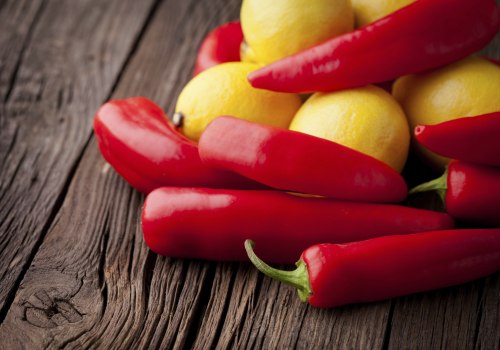
Cayenne pepper, scientifically known as Capsicum annuum, is a vibrant red chili pepper that belongs to the nightshade family, which also includes tomatoes, potatoes, and eggplants. This spice is renowned not only for its fiery flavor but also for its numerous health benefits, making it a staple in both culinary and medicinal applications. In terms of classification, cayenne pepper is categorized under the genus Capsicum, which encompasses various types of peppers. The term "cayenne" typically refers to a specific variety of chili pepper that is particularly hot, with a Scoville heat rating ranging from 30,000 to 50,000 units. This heat level is primarily attributed to capsaicin, the active compound responsible for the pepper's spiciness and many of its health-promoting properties. There are several varieties of cayenne pepper, each differing slightly in flavor profile and heat intensity.Some common types include:
- Long Red Cayenne: This is the most widely recognized variety, characterized by its long, slender shape and bright red color. It is often used in powdered form as a spice.
- Short Green Cayenne: A less common variety that is harvested before it ripens fully. It has a milder flavor and is often used in fresh dishes.
- Thai Cayenne: Known for its intense heat, this variety is frequently used in Southeast Asian cuisine to add spice to dishes.
In cooking, it adds a distinctive heat to sauces, soups, stews, and marinades. Additionally, it can be sprinkled over vegetables or incorporated into spice blends to enhance flavor. Beyond its culinary applications, cayenne pepper has been utilized in traditional medicine for centuries. Its potential health benefits include boosting metabolism, aiding digestion, and providing pain relief due to its anti-inflammatory properties. As such, it has become a popular ingredient in dietary supplements aimed at promoting overall wellness. In summary, cayenne pepper is not just a flavorful addition to meals; it is a versatile spice with a rich botanical background and significant health benefits.
Understanding its classification and varieties can enhance your appreciation for this remarkable ingredient.
Nutritional Profile of Cayenne Pepper
Cayenne pepper is not just a spice that adds heat to your dishes; it is also a powerhouse of nutrition. Understanding the nutritional value of cayenne pepper can help you appreciate its role in promoting health and wellness. One of the most notable components of cayenne pepper is capsaicin , the compound responsible for its characteristic spiciness. Capsaicin has been extensively studied for its potential health benefits, including pain relief, metabolism enhancement, and anti-inflammatory properties. In addition to capsaicin, cayenne pepper contains a variety of vitamins and minerals that contribute to its overall nutritional profile.Vitamins in Cayenne Pepper
Cayenne pepper is rich in several essential vitamins:- Vitamin A: This vitamin is crucial for maintaining healthy vision, skin, and immune function.
A single teaspoon of cayenne pepper can provide a significant portion of your daily vitamin A needs.
- Vitamin C: Known for its antioxidant properties, vitamin C helps protect the body from free radicals and supports the immune system. Cayenne pepper contains a notable amount of this vitamin, making it a great addition to your diet.
- Vitamin E: This vitamin plays a vital role in skin health and acts as an antioxidant. It helps protect cells from oxidative stress and supports overall health.
Minerals Found in Cayenne Pepper
In addition to vitamins, cayenne pepper is also a source of important minerals:- Potassium: Essential for heart health and muscle function, potassium helps regulate blood pressure and fluid balance in the body.
- Manganese: This mineral is involved in bone formation, blood sugar control, and metabolism. It also plays a role in antioxidant defense.
- Iron: Important for oxygen transport in the blood, iron is crucial for energy production and overall vitality.
Incorporating cayenne pepper into your meals can be an effective way to boost your nutrient intake while enjoying its unique taste. Whether you sprinkle it on your favorite dishes or take it in supplement form, understanding the nutrition facts of cayenne pepper can help you make informed dietary choices.
Health Benefits of Cayenne Pepper
Cayenne pepper, known for its vibrant red color and fiery flavor, is more than just a culinary spice; it offers a plethora of health benefits that can enhance overall well-being. Below, we delve into some of the most notable advantages associated with this remarkable pepper.Pain Relief
One of the most well-documented medicinal uses of cayenne pepper is its ability to alleviate pain. The active compound, capsaicin, has been shown to block pain signals sent to the brain.This makes cayenne pepper a popular ingredient in topical creams and ointments designed for pain relief, particularly for conditions like arthritis and neuropathy. Regular application of capsaicin can lead to a significant reduction in pain over time.
Weight Loss Support
Cayenne pepper is often touted as a natural aid for weight loss. The spice can boost metabolism by increasing body temperature, a process known as thermogenesis. This increase in metabolic rate can help the body burn more calories throughout the day.Additionally, cayenne pepper may help suppress appetite, making it easier to adhere to a calorie-controlled diet. Incorporating cayenne into meals can enhance flavor while supporting weight management efforts.
Improved Digestion
Another significant benefit of cayenne pepper is its positive impact on digestive health. It stimulates the production of digestive enzymes and increases circulation in the digestive tract, which can enhance nutrient absorption. Furthermore, cayenne pepper has been linked to reducing symptoms of indigestion and bloating.For those suffering from gastrointestinal issues, adding cayenne pepper to meals may provide relief and promote better digestion.
Cardiovascular Health
Cayenne pepper also plays a role in promoting heart health. Studies suggest that capsaicin can help lower blood pressure by relaxing blood vessels and improving circulation. Additionally, cayenne may reduce cholesterol levels and prevent blood clots, further supporting cardiovascular function. Regular consumption of cayenne pepper can contribute to a healthier heart and lower the risk of heart disease.Antioxidant Properties
The antioxidant properties of cayenne pepper are another reason to include it in your diet.Antioxidants help combat oxidative stress in the body, which is linked to various chronic diseases. By neutralizing free radicals, cayenne pepper may help reduce inflammation and support overall health. In conclusion, the health benefits of cayenne pepper are extensive and varied, ranging from pain relief to improved cardiovascular health. Whether consumed as a spice in meals or used in topical applications, incorporating cayenne into your routine can be a flavorful way to enhance your health.
Recommended Dosage of Cayenne Pepper
When considering the incorporation of cayenne pepper into your diet, understanding the recommended dosage is crucial for maximizing its health benefits while minimizing potential side effects. The dosage can vary based on the form in which you consume cayenne pepper, whether it be in capsules, powder, or tincture.Cayenne Pepper Capsules
- The typical recommended dosage for cayenne pepper capsules ranges from 30 to 120 milligrams per day.
- These capsules often contain concentrated amounts of capsaicin, the active compound responsible for many of cayenne's health benefits.
- Starting with a lower dose, such as 30 milligrams, allows your body to adjust before increasing to higher amounts.
Cayenne Pepper Powder
- If you prefer using cayenne pepper powder, a common recommendation is to start with 1 teaspoon per day.
- This amount typically provides around 6 to 8 milligrams of capsaicin, depending on the quality and type of pepper.
- You can mix this powder into foods or beverages, such as soups or smoothies, to enhance flavor and health benefits.
Cayenne Pepper Tincture
- For those using a liquid tincture, the recommended dosage is generally between 0.3 to 1 milliliter per day.
- Tinctures are highly concentrated and can be taken directly or added to water or juice for easier consumption.
Starting Low and Adjusting
Regardless of the form you choose, it is essential to start with a lower dose and gradually increase it based on your body's response.
This approach helps you gauge your tolerance and minimizes the risk of gastrointestinal discomfort that some individuals may experience when consuming spicy foods. If you have any underlying health conditions or are taking medications, consulting with a healthcare professional before adding cayenne pepper to your regimen is advisable. They can provide personalized recommendations tailored to your specific health needs.
How to Incorporate Cayenne Pepper into Your Diet
Incorporating cayenne pepper into your daily meals can be both enjoyable and beneficial for your health. This versatile spice not only adds a kick to your dishes but also enhances their nutritional profile. Here are some practical tips and delicious recipes to help you make the most of cayenne pepper.Simple Ways to Use Cayenne Pepper
- Sprinkle on Vegetables: Add a dash of cayenne pepper to roasted or steamed vegetables.
It pairs particularly well with greens like kale, spinach, and broccoli, enhancing their flavor while providing health benefits.
- Spice Up Soups and Stews: A pinch of cayenne can elevate the taste of soups and stews. Whether it’s a hearty chili or a light vegetable soup, cayenne adds depth and warmth.
- Mix into Marinades: Combine cayenne pepper with olive oil, garlic, and herbs to create a zesty marinade for meats or tofu. Let your protein soak in the flavors for at least 30 minutes before cooking.
- Add to Smoothies: For those who enjoy smoothies, a small amount of cayenne can provide an unexpected kick. Blend it with fruits like mango or pineapple for a refreshing drink that also boosts metabolism.
Delicious Recipes Featuring Cayenne Pepper
Here are a couple of recipes that highlight the use of cayenne pepper:- Cayenne-Spiced Roasted Chickpeas:
- 1 can of chickpeas, drained and rinsed
- 1 tablespoon olive oil
- 1 teaspoon cayenne pepper
- 1 teaspoon garlic powder
- Salt to taste
Toss the chickpeas with olive oil, cayenne pepper, garlic powder, and salt. Spread them on a baking sheet and roast for 20-30 minutes until crispy. Enjoy as a snack or salad topping!
- Cayenne-Infused Guacamole:
- 2 ripe avocados
- 1 lime, juiced
- 1 small onion, finely chopped
- 1 tomato, diced
- 1/4 teaspoon cayenne pepper (adjust to taste)
- Salt to taste
Remember to start with small amounts if you're new to spicy foods and adjust according to your taste preferences.
Precautions and Considerations When Using Cayenne Pepper
While cayenne pepper is celebrated for its numerous health benefits, it is essential to approach its use with caution, particularly for certain populations. Understanding the potential side effects and contraindications can help ensure a safe and beneficial experience.Potential Side Effects
Cayenne pepper, primarily due to its active component capsaicin, can lead to various side effects, especially when consumed in large quantities. Common side effects include:- Gastrointestinal Distress: Some individuals may experience stomach upset, heartburn, or diarrhea after consuming cayenne pepper. This is particularly true for those with sensitive digestive systems.
- Skin Irritation: When applied topically, cayenne pepper can cause a burning sensation or irritation on the skin.
It is advisable to conduct a patch test before using it in topical applications.
- Respiratory Issues: Inhaling cayenne powder can irritate the respiratory tract, leading to coughing or sneezing. It’s best to avoid inhaling the spice directly.
Who Should Avoid Cayenne Pepper?
Certain groups of people should exercise caution or avoid cayenne pepper altogether:- Pregnant and Breastfeeding Women: While moderate consumption is generally considered safe, high doses of cayenne pepper may not be advisable during pregnancy or breastfeeding due to potential effects on the baby.
- Individuals with Gastrointestinal Disorders: Those suffering from conditions such as ulcers, irritable bowel syndrome (IBS), or gastroesophageal reflux disease (GERD) may find that cayenne exacerbates their symptoms.
- People on Certain Medications: Cayenne pepper can interact with medications such as blood thinners and certain antihypertensives. Always consult a healthcare provider if you are on medication before adding cayenne to your diet.
Precautions for Using Cayenne Pepper
If you decide to incorporate cayenne pepper into your diet, consider the following precautions:- Start Slowly: Begin with small amounts to assess your tolerance. Gradually increase your intake as needed while monitoring your body’s response.
- Avoid Excessive Use: Consuming large quantities of cayenne pepper can lead to adverse effects.
Stick to recommended dosages and avoid overindulgence.
- Consult a Healthcare Professional: If you have any underlying health conditions or concerns about how cayenne may affect you, it’s wise to seek advice from a healthcare provider.
Frequently Asked Questions about Cayenne Pepper
Cayenne pepper is a popular spice known for its heat and potential health benefits, but many people have questions about its safety and effectiveness. Below are some frequently asked questions that can help clarify common concerns regarding cayenne pepper.Is cayenne pepper safe to consume?
For most people, cayenne pepper is safe when consumed in moderate amounts as part of a balanced diet. However, individuals with certain health conditions, such as gastrointestinal disorders or those who are pregnant, should consult a healthcare professional before incorporating it into their diet. It’s also important to start with small doses to assess your body’s tolerance.What are the potential side effects of cayenne pepper?
While cayenne pepper is generally safe, some individuals may experience side effects, including:- Gastrointestinal discomfort: This can include heartburn, stomach upset, or diarrhea, especially if consumed in large quantities.
- Skin irritation: Handling cayenne pepper can cause skin irritation or a burning sensation; it’s advisable to wash your hands thoroughly after use.
- Allergic reactions: Though rare, some individuals may be allergic to cayenne pepper and could experience symptoms like itching or swelling.
Can cayenne pepper help with weight loss?
Cayenne pepper is often touted for its potential weight loss benefits due to its ability to boost metabolism and promote fat burning.The active compound, capsaicin, may help increase energy expenditure and reduce appetite. However, it should be noted that while cayenne pepper can be a helpful addition to a weight loss regimen, it is not a magic solution and should be combined with a healthy diet and regular exercise for best results.
How can I incorporate cayenne pepper into my diet?
Cayenne pepper can be easily added to various dishes. Here are some suggestions:- Add a pinch to soups and stews for an extra kick.
- Sprinkle it on roasted vegetables or meats.
- Mix it into salad dressings or marinades.
- Incorporate it into smoothies for a spicy twist.
Conclusion: Embracing the Power of Cayenne Pepper
In summary, cayenne pepper is more than just a spicy addition to your meals; it is a powerhouse of health benefits that can enhance your overall well-being. From its ability to boost metabolism and aid in weight management to its potential role in pain relief and cardiovascular health, the advantages of incorporating cayenne pepper into your diet are numerous. Here are some key points to consider regarding the benefits of cayenne pepper :- Metabolism Booster: Cayenne pepper contains capsaicin, which has been shown to increase metabolic rate and promote fat burning.
- Pain Relief: The anti-inflammatory properties of cayenne can help alleviate pain, making it a natural remedy for conditions like arthritis and muscle soreness.
- Digestive Health: This spice can stimulate digestion and improve gut health by promoting the production of digestive enzymes.
- Heart Health: Regular consumption may support cardiovascular health by improving circulation and reducing blood pressure.
- Immune Support: Cayenne pepper's antifungal and antibacterial properties can help strengthen the immune system.
Starting with a small dosage allows you to gauge your body's response and avoid any potential discomfort. As with any supplement or dietary change, consulting with a healthcare professional is advisable, especially if you have underlying health conditions or are taking medications. In conclusion, embracing the power of cayenne pepper can lead to significant health improvements when used wisely. By incorporating this vibrant spice into your meals, you not only enhance flavor but also unlock a myriad of health benefits that contribute to a healthier lifestyle. Whether you sprinkle it on your dishes or take it in capsule form, cayenne pepper can be a valuable addition to your wellness journey.