The Spicy Truth: Exploring the Pros and Cons of Cayenne Pepper Consumption
Discover the pros and cons of cayenne pepper consumption, its health benefits, and how to incorporate it into your diet effectively.

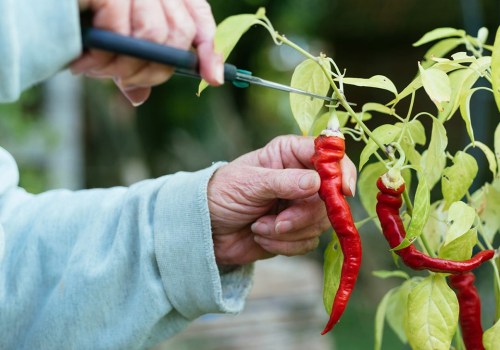
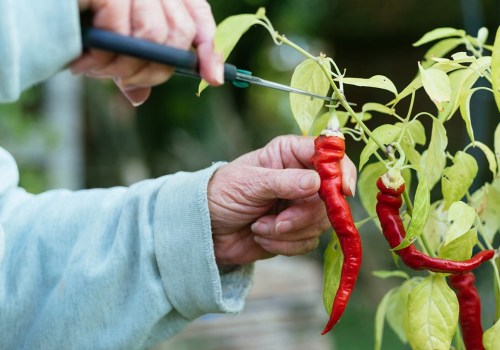
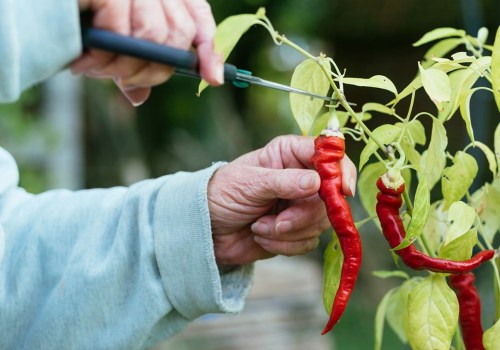
Cayenne pepper, a vibrant red spice derived from the Capsicum annuum plant, has a rich history that dates back thousands of years. Originally cultivated in Central and South America, this fiery pepper was revered not only for its flavor but also for its medicinal properties. Today, cayenne pepper is a staple in kitchens around the world, adding a distinctive heat to a variety of dishes ranging from spicy salsas to hearty stews. Its unique flavor profile and versatility make it a favorite among chefs and home cooks alike. One of the most compelling aspects of cayenne pepper is its active compound, capsaicin , which is responsible for its characteristic heat.
Capsaicin has been studied extensively for its potential health benefits, making cayenne pepper more than just a culinary delight. From boosting metabolism to alleviating pain, the health benefits of cayenne pepper are numerous and varied. This spice not only enhances the taste of food but also offers a range of advantages that can contribute to overall well-being. Incorporating cayenne pepper into your diet can be as simple as sprinkling it on your favorite dishes or using it in marinades and sauces. However, understanding the balance between enjoying its flavor and reaping its health benefits is crucial.
While many people can enjoy cayenne pepper without issue, some may experience discomfort or adverse effects if consumed in excess. Therefore, it’s essential to approach this spice with knowledge and moderation. As we delve deeper into the cayenne pepper benefits , we will explore not only its positive effects on health but also any potential drawbacks that may arise from its consumption. This comprehensive look at cayenne pepper will provide you with valuable insights into how this fiery spice can play a role in your culinary adventures and health journey.
Nutritional Profile of Cayenne Pepper
Cayenne pepper, a vibrant and fiery spice, is not only known for its heat but also for its impressive nutritional profile. Understanding the nutritional components of cayenne pepper can help individuals appreciate its potential health benefits and incorporate it wisely into their diets. One of the most notable compounds found in cayenne pepper is capsaicin , which is responsible for its characteristic spiciness.Capsaicin has been studied for its various health benefits, including pain relief and metabolism enhancement. However, cayenne pepper also contains a variety of essential vitamins and minerals that contribute to overall health.
Vitamins in Cayenne Pepper
Cayenne pepper is rich in several important vitamins:- Vitamin A: This vitamin is crucial for maintaining healthy vision, skin, and immune function. A single teaspoon of cayenne pepper can provide a significant portion of the daily recommended intake of vitamin A.
- Vitamin C: Known for its antioxidant properties, vitamin C helps protect the body from free radicals and supports the immune system. Cayenne pepper contains a good amount of this vitamin, making it a valuable addition to your diet.
-
Vitamin E: This vitamin plays a vital role in skin health and acts as an antioxidant.
While present in smaller amounts, it still contributes to the overall nutritional value of cayenne pepper.
Minerals in Cayenne Pepper
In addition to vitamins, cayenne pepper is also a source of several essential minerals:- Potassium: Important for heart health and muscle function, potassium helps regulate blood pressure. Cayenne pepper can be a flavorful way to increase your potassium intake.
- Magnesium: This mineral is involved in numerous biochemical reactions in the body, including energy production and muscle contraction. Including cayenne pepper in your meals can help boost your magnesium levels.
- Iron: Essential for transporting oxygen in the blood, iron is another mineral found in cayenne pepper. It can be particularly beneficial for those at risk of iron deficiency.
With its rich content of vitamins A, C, E, and essential minerals like potassium, magnesium, and iron, incorporating cayenne pepper into your meals can enhance both flavor and nutrition. As with any food, moderation is key to enjoying its benefits while minimizing any potential discomfort from its spiciness.
Health Benefits of Cayenne Pepper
Cayenne pepper, known for its vibrant color and fiery flavor, is more than just a culinary delight; it offers a plethora of health benefits that can enhance overall well-being. One of the most notable advantages of cayenne pepper is its ability to boost metabolism. The active compound, capsaicin, is responsible for this effect.By increasing thermogenesis, capsaicin helps the body burn more calories, making it a popular choice for those looking to manage their weight. In addition to metabolic benefits, cayenne pepper is also recognized for its potential in pain relief. Research suggests that capsaicin can help alleviate pain by reducing the amount of substance P, a chemical that transmits pain signals to the brain. This makes cayenne pepper a common ingredient in topical creams designed to relieve conditions such as arthritis and muscle soreness. Another significant benefit of cayenne pepper is its positive impact on digestive health. It stimulates the production of digestive fluids, which can aid in breaking down food more efficiently.
Furthermore, cayenne pepper may help alleviate symptoms of indigestion and promote a healthy gut by encouraging the growth of beneficial gut bacteria. Cayenne pepper also boasts cardiovascular benefits. Studies indicate that it may help lower blood pressure and improve circulation by promoting blood vessel dilation. This can lead to a reduced risk of heart disease and stroke. Additionally, cayenne pepper has antioxidant properties that combat oxidative stress, further supporting heart health. Moreover, cayenne pepper has been linked to improved respiratory health.
Its anti-inflammatory properties can help clear mucus from the airways, making it easier to breathe. This can be particularly beneficial for individuals suffering from conditions like asthma or bronchitis. In summary, incorporating cayenne pepper into your diet can provide numerous medicinal uses , from enhancing metabolism and relieving pain to promoting digestive and cardiovascular health. However, as with any dietary change, it's essential to consider individual tolerance levels and consult with a healthcare professional if you have specific health concerns.
Potential Side Effects of Cayenne Pepper
While cayenne pepper is celebrated for its numerous health benefits, it is essential to consider the potential side effects and risks associated with its consumption. Understanding these aspects can help individuals make informed dietary choices.Gastrointestinal Issues
One of the most common concerns related to cayenne pepper is its impact on the gastrointestinal (GI) tract.The active compound in cayenne, capsaicin, can irritate the lining of the stomach and intestines, leading to symptoms such as:
- Heartburn
- Indigestion
- Stomach cramps
- Nausea
- Diarrhea
Allergic Reactions
Although rare, some people may experience allergic reactions to cayenne pepper. Symptoms of an allergy can include:- Skin rashes or hives
- Swelling of the face, lips, or throat
- Difficulties in breathing or swallowing
- Nausea or vomiting
Interactions with Medications
Cayenne pepper may also interact with certain medications.For instance, it can enhance the absorption of some drugs, potentially leading to increased effects or side effects. Medications that may be affected include:
- Blood thinners (e.g., warfarin)
- Antihypertensives (blood pressure medications)
- Certain pain relievers
How to Incorporate Cayenne Pepper into Your Diet
Incorporating cayenne pepper into your diet can be both enjoyable and beneficial for your health. This versatile spice can enhance the flavor of various dishes while providing numerous cayenne pepper benefits.Here are some practical tips and delicious recipes to help you add cayenne pepper to your meals.
Simple Ways to Use Cayenne Pepper
- Seasoning: Sprinkle cayenne pepper on roasted vegetables, grilled meats, or fish to add a spicy kick. A pinch can elevate the flavor profile without overwhelming the dish.
- Soups and Stews: Add a dash of cayenne pepper to soups and stews for warmth. It pairs well with tomato-based soups, chili, and hearty vegetable stews.
- Salad Dressings: Whisk cayenne pepper into homemade salad dressings. Combine olive oil, vinegar, honey, and a pinch of cayenne for a zesty vinaigrette.
-
Sauces: Incorporate cayenne into sauces like barbecue or hot sauce.
It adds depth and heat that can enhance your favorite condiments.
Delicious Recipes Featuring Cayenne Pepper
- Cayenne-Spiced Roasted Chickpeas: Toss canned chickpeas with olive oil, cayenne pepper, garlic powder, and salt. Roast at 400°F (200°C) for 20-30 minutes until crispy. These make a great snack or salad topping.
- Spicy Avocado Toast: Mash ripe avocado on whole-grain bread and sprinkle with cayenne pepper, salt, and a squeeze of lemon juice. This simple breakfast is both nutritious and flavorful.
-
Cayenne-Infused Honey: Mix honey with a pinch of cayenne pepper for a sweet and spicy drizzle over pancakes, waffles, or yogurt.
This combination adds an exciting twist to your breakfast routine.
- Cayenne Pepper Smoothie: Blend spinach, banana, almond milk, and a dash of cayenne pepper for a refreshing smoothie that packs a nutritional punch. The heat from the cayenne complements the sweetness of the banana perfectly.
Cayenne Pepper: Dosage Recommendations
When considering the incorporation of cayenne pepper into your diet, understanding the appropriate dosage is essential for maximizing its health benefits while minimizing potential side effects.The ideal amount can vary significantly based on individual factors such as tolerance, health status, and dietary preferences.
General Dosage Guidelines
- For most individuals, a common recommendation is to start with 1/4 to 1/2 teaspoon of cayenne pepper per day. This amount can be gradually increased as your body adjusts to the spice.
- In capsule form, many supplements suggest a dosage of 30 to 120 mg of cayenne extract, which typically contains a higher concentration of capsaicin.
- If you are using fresh cayenne peppers, one or two peppers per day can be a good starting point, depending on their size and heat level. If you are using fresh cayenne peppers, one or two peppers per day can be a good starting point, depending on their size and heat level.
Factors Influencing Dosage
Your personal tolerance to spicy foods plays a crucial role in determining how much cayenne pepper you should consume. Here are some factors to consider:
- Sensitivity to Spices: If you are not accustomed to spicy foods, it’s wise to begin with smaller amounts and gradually increase your intake.
- Health Conditions: Individuals with gastrointestinal issues such as ulcers or acid reflux should consult a healthcare professional before adding cayenne pepper to their diet, as it may exacerbate symptoms.
- Age and Weight: Younger individuals or those with lower body weight may need to consume less cayenne pepper compared to larger adults.
Listening to Your Body
It’s important to pay attention to how your body reacts after consuming cayenne pepper. If you experience discomfort such as heartburn or digestive upset, consider reducing your intake.
Additionally, if you are pregnant, breastfeeding, or have specific health concerns, consulting with a healthcare provider is advisable before making any significant changes to your diet. In summary, while cayenne pepper can offer numerous health benefits when consumed appropriately, understanding the right dosage tailored to your individual needs is crucial for safe consumption. Start small, monitor your body's response, and adjust accordingly for the best experience with this fiery spice.
Cayenne Pepper in Traditional Medicine
Cayenne pepper, known scientifically as Capsicum annuum, has a rich history in traditional medicine that spans various cultures and centuries. Its vibrant red color and fiery flavor have made it not only a culinary favorite but also a staple in herbal remedies. Historically, cayenne pepper has been utilized in indigenous medicine across the Americas. Native American tribes, for instance, employed cayenne for its analgesic properties, using it to alleviate pain and inflammation.They would create poultices from the dried pepper to apply directly to sore muscles and joints, harnessing its natural heat to promote blood circulation and reduce discomfort. In traditional Chinese medicine, cayenne pepper is revered for its warming qualities. It is believed to stimulate the digestive system and enhance metabolic function. Practitioners often recommend cayenne for individuals suffering from cold-related ailments, as it is thought to help restore balance by warming the body from within. Additionally, it has been used to treat respiratory issues, with the belief that it can help clear mucus and improve breathing. Similarly, in Ayurvedic medicine, cayenne pepper is classified as a heating spice.
It is often included in formulations aimed at improving digestion and boosting overall vitality. The capsaicin in cayenne is thought to aid in digestion by increasing gastric secretions and promoting the absorption of nutrients. Furthermore, it is sometimes used to support weight loss efforts due to its ability to enhance metabolic rate. Beyond these traditional uses, cayenne pepper has also found its place in modern herbal medicine. Many herbalists advocate for its use in tinctures and capsules as a natural remedy for various ailments, including digestive disorders and circulatory issues.
Its potential benefits extend to cardiovascular health, where some studies suggest that regular consumption may help lower blood pressure and improve circulation. In summary, the historical and traditional uses of cayenne pepper highlight its significance beyond mere culinary applications. From ancient healing practices to contemporary herbal medicine, cayenne continues to be celebrated for its numerous health benefits. As interest in natural remedies grows, understanding the rich legacy of cayenne pepper can provide valuable insights into its role in holistic health.
FAQs About Cayenne Pepper Consumption
When it comes to incorporating cayenne pepper into your diet, many people have questions about its benefits, uses, and potential side effects. Below are some of the most frequently asked questions regarding cayenne pepper consumption.What are the health benefits of cayenne pepper?
Cayenne pepper is renowned for its numerous health benefits, primarily due to its active compound, capsaicin.Some of the key benefits include:
- Boosting Metabolism: Capsaicin can increase metabolic rate, helping the body burn more calories.
- Pain Relief: It has analgesic properties and is often used in topical creams to alleviate pain.
- Improving Digestion: Cayenne pepper can stimulate digestive enzymes and improve gut health.
- Heart Health: Regular consumption may help lower blood pressure and improve circulation.
Can cayenne pepper help with weight loss?
Yes, cayenne pepper may aid in weight loss efforts. Its ability to boost metabolism and promote fat oxidation can be beneficial for those looking to shed pounds. Additionally, it may help reduce appetite, leading to lower calorie intake.Is it safe to consume cayenne pepper daily?
For most individuals, consuming cayenne pepper in moderation is safe and can be part of a healthy diet. However, those with certain gastrointestinal conditions or sensitivities should consult a healthcare professional before making it a daily staple.What are the side effects of consuming too much cayenne pepper?
While cayenne pepper is generally safe, excessive consumption can lead to:- Gastrointestinal Issues: This includes heartburn, stomach upset, or diarrhea.
- Skin Irritation: Handling cayenne pepper can cause skin irritation or burning sensations.
How can I incorporate cayenne pepper into my diet?
Cayenne pepper can be easily added to various dishes.Here are some suggestions:
- Add a pinch to soups and stews for an extra kick.
- Sprinkle it on roasted vegetables or meats.
- Mix it into sauces or dressings for added flavor.
Conclusion: The Balanced View on Cayenne Pepper Consumption
In summary, the consumption of cayenne pepper presents a complex interplay of benefits and drawbacks that warrant careful consideration. As we have explored throughout this article, cayenne pepper is not just a culinary delight; it is also a powerhouse of potential health benefits. The active compound, capsaicin , is known for its ability to boost metabolism, enhance digestion, and even alleviate certain types of pain. These properties make cayenne pepper an appealing addition to many diets, particularly for those looking to enhance their overall health and wellness. However, it is equally important to acknowledge the potential downsides associated with its consumption.For individuals with sensitivities or specific gastrointestinal conditions, the heat from cayenne pepper can lead to discomfort, including heartburn and digestive upset. Moreover, excessive intake can result in adverse effects that overshadow its benefits. Therefore, moderation is key. When considering whether to incorporate cayenne pepper into your diet, it is essential to evaluate your personal health status and tolerance levels. Here are some key points to keep in mind:
- Health Benefits: Cayenne pepper may aid in weight management, improve circulation, and provide pain relief.
- Potential Risks: Overconsumption can lead to gastrointestinal issues and discomfort.
- Individual Sensitivity: Each person's tolerance varies; what works for one may not work for another.
- Consultation Recommended: Always consider consulting a healthcare professional before making significant dietary changes.
By approaching its consumption with mindfulness and moderation, you can enjoy the flavorful kick of cayenne while reaping its potential health benefits. Embrace the spice wisely, and let it enhance your culinary experiences without compromising your well-being.